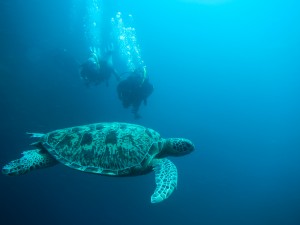
Sipadan Island is reputed to be one of the best diving spots in the world, some even say it is one of the top three, but as we found out, it can be hit or miss during monsoon season. When we learned that Sipadan Island is in the center of the richest marine habitat in the world, the heart of the Indo-Pacific basin, teaming with more than 3000 species of fish and hundreds of coral species, we weren’t going to let a little rain get in the way of our fun. Besides, people usually book months in advance to secure a diving spot because there is a strictly enforced daily diving limit of 120 people on Sipadan Island. This government imposed regulation is in place to protect this fragile eco-system. When we managed to snag a couple of dive spots at the last minute, we decided to go for it.
But first we had to get there. Sipadan Island is the only oceanic island in Malaysia, rising 600 metres (2,000 ft) from the seabed, located in the Celebes Sea off the east coast of Sabah, about 600 km from Kota Kinabalu. There are two ways to get there – by road or by air. Almost immediately, I regretted our decision to travel by bus. We thought the bus would give us a chance to see some of the countryside. I didn’t anticipate getting car sick as the bus rocked from side to side as we twisted our way through the mountains. It took 11 hours to reach Semporna during which time I slept most of the way thanks to Gravol. Again, our trusty medicine bag to the rescue.


We stayed overnight in Semporna at the Sipadan Inn, a very comfortable and clean hotel with excellent air conditioning. Early the next morning, as we were kitted up with our dive gear, we met Denise, a fellow Canadian who had booked the same package as us: 1 day diving at Sipadan Island and a 2 day/2 night diving package at Mabul Island for a total of 9 dives in 3 days – a lot for us. We booked our package through Sipidan.com and we think we got good value for our money.
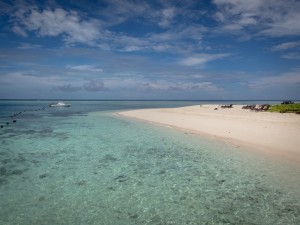 It takes one hour by boat to reach Sipadan Island. The island itself is very much what you would imagine a remote, tropical island to be – powder white sandy beach, turquoise waters, palm trees swaying ever so gently in the breeze. Simply stunning. After each dive, we had a break on the island, but we were restricted to one specific area, no exploring allowed.


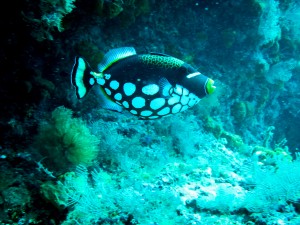
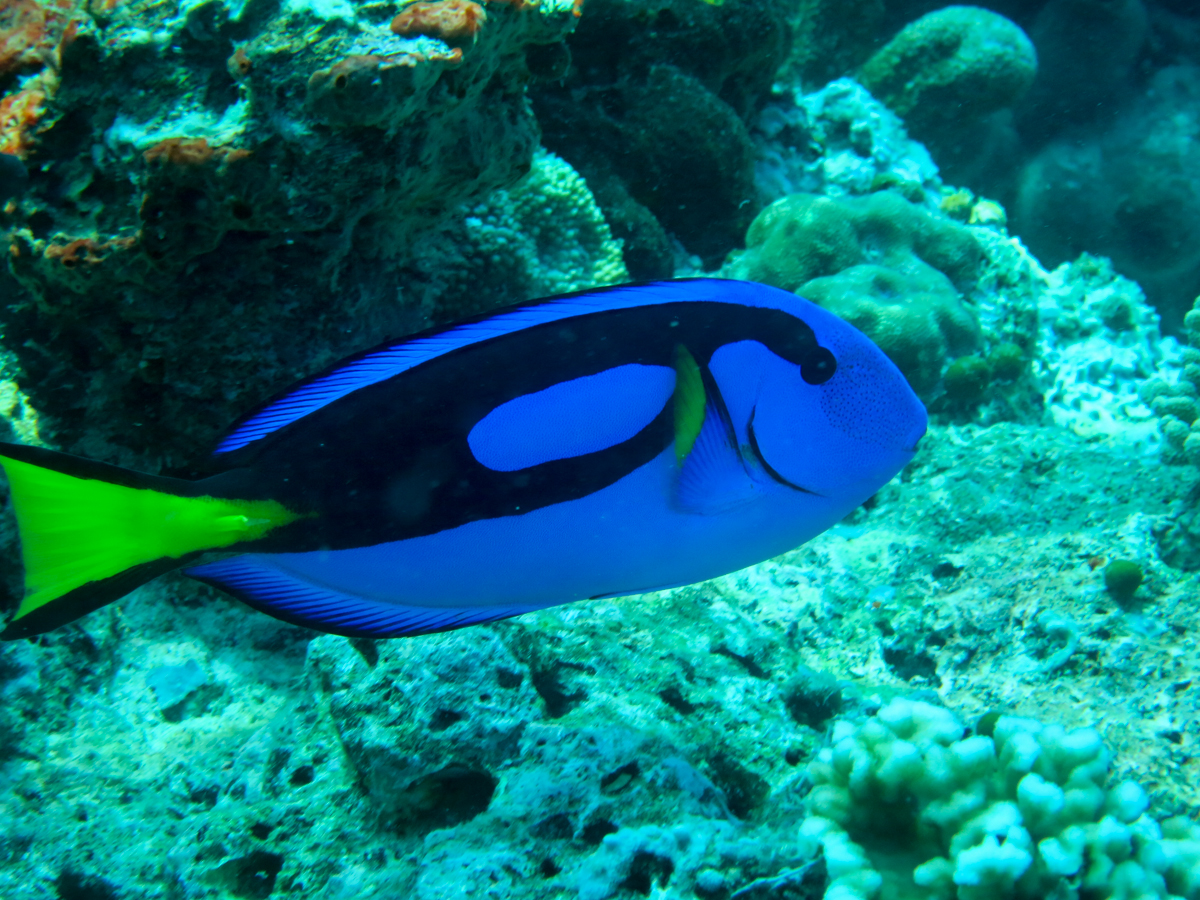
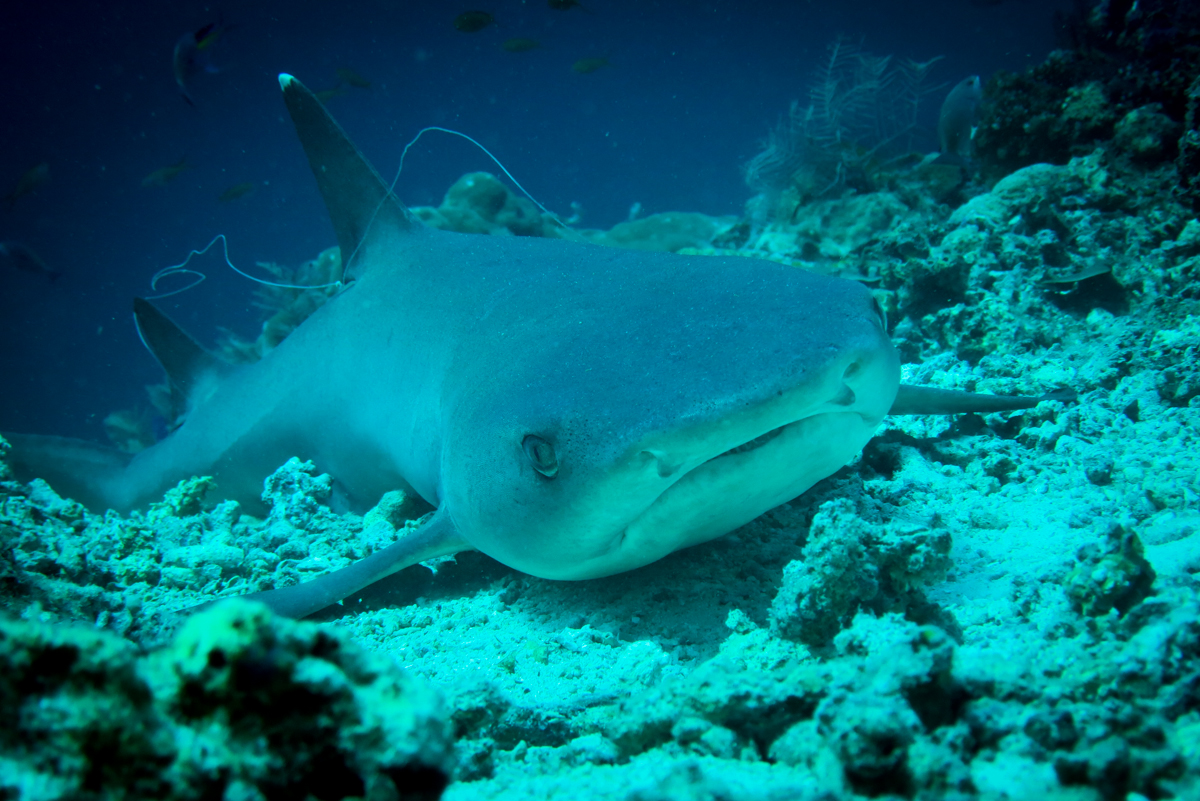
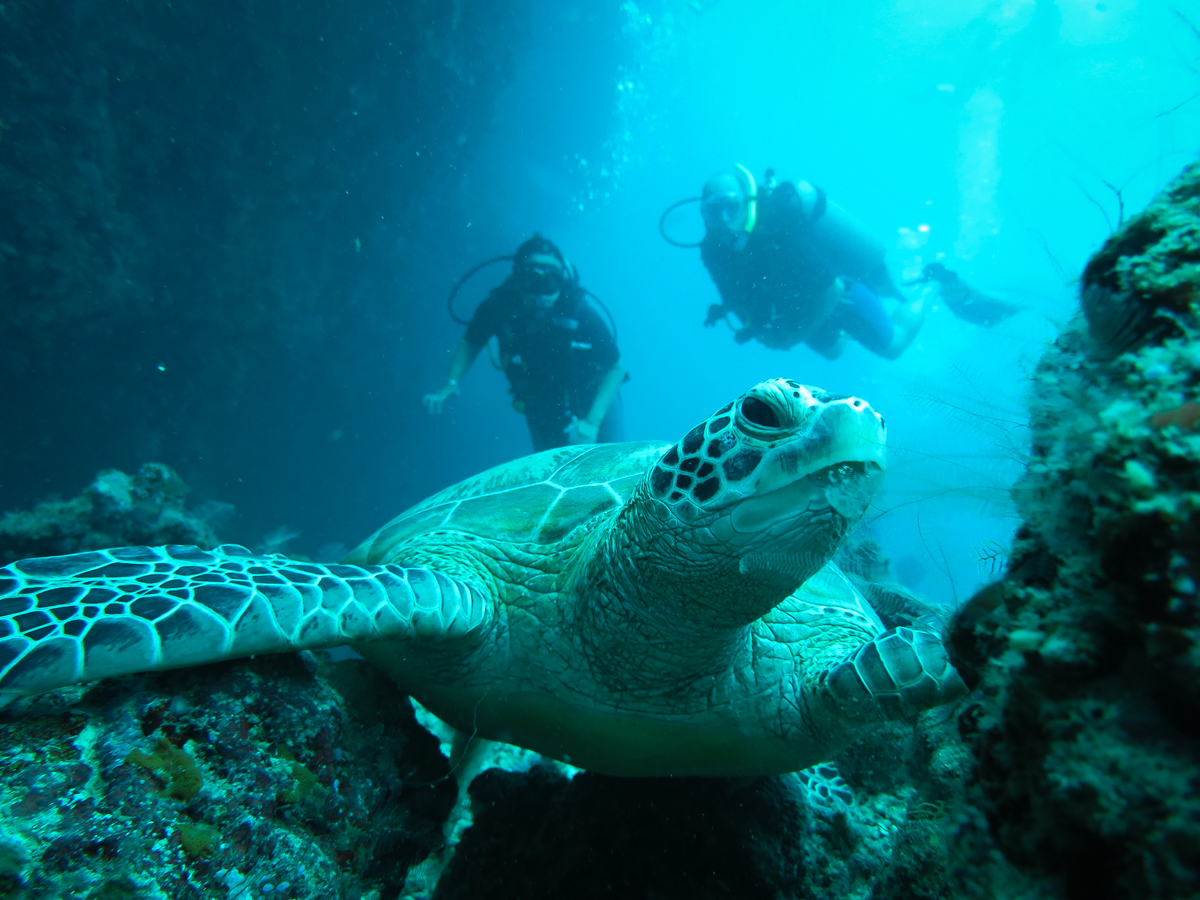
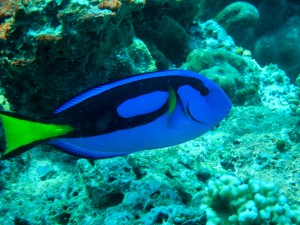
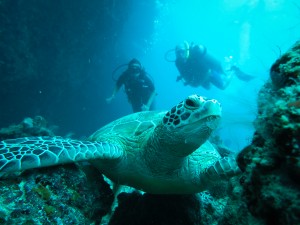
In spite of the poor visibility, the sea served up a vast array of strange and wonderful looking creatures and plants. There were lots of white tipped sharks, huge green and hawksbill turtles, and loads of other colourful fish we had never seen before. The corals were spectacular, not so much in their colours, but in their size and shapes.


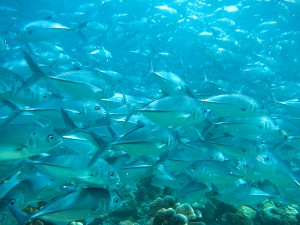
For me the most amazing experience happened near the end of the second dive when we came across a massive school of Jackfish; there must have been thousands of them. As I casually swam along side them, they would shift their patterns to encircle me and before I knew it, I was in the middle of them, everywhere I looked there was a thick wall of Jackfish. Simply amazing. The most unusual fish we saw were the Bumphead parrotfish which is the largest species of parrotfish. These fish were big, about 4 feet long, and up to 100 pounds in weight. Their large, protruding teeth gave them a rather menacing appearance which kept me at a safe distance.

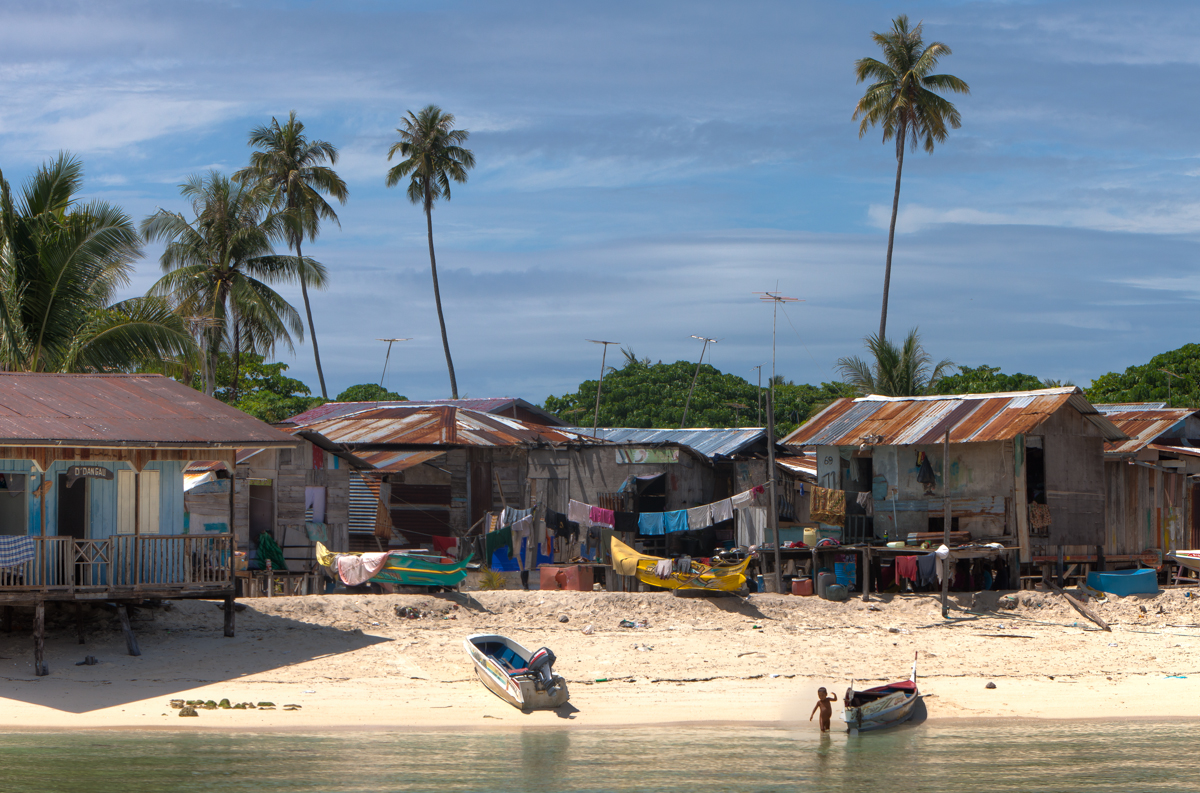
After our three dives at Sipadan, we were dropped off at Mabul Island, 20 km away, where we would spend the next two nights at our “resort”. This small island has been a fishing village since the 1970s, but more recently it has become popular to divers, mainly because of its proximity to Sipadan. Several resorts, ranging from bare bone to luxury, along with a large village of locals are all crammed onto this 20-hectare piece of land that sits just 2–3 meters above sea level.
 My heart sank as we climbed out of our boat onto the deck of our resort. I knew we had opted for budget accommodations, but this was really basic, and frankly, quite grim. Our resort was really nothing more than a long, rectangular wooden structure on stilts overhanging the water. At one end was three long tables with plastic patio chairs where we ate all our meals and hung out, and at the other end was the kitchen, shared bathroom and staff quarters. In between, about 10 small rooms lined both sides of the building. Each room had a window and was equipped with a bed, a table and a fan. This really did give us an opportunity to see what it was like to live as the locals live. It was okay for a couple of nights, but I wouldn’t have wanted to live here for a few months like the instructors do.
 Entrance to our resort from the island.
 Inside view of the resort looking towards the kitchen.
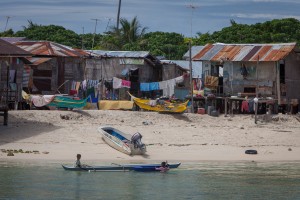 Island living: It was common to see young children, under five years of age,
butt naked, paddling around in little dugout canoes. The sea was their playground.
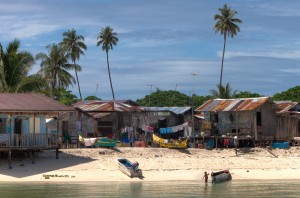

 At over $1,000 p/p per night, these luxury bungalows
on the water were way out of our league.
What a sharp contrast to how the locals live.
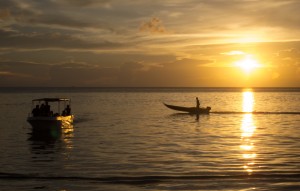 Beautiful sunsets were free for all to enjoy!
As we have discovered, it is often the people that make the experience and this place was no exception. We met the dive instructors – Ann and Gary, a couple originally from the UK, and Matt who was from Slovenia. All three had just arrived a few days earlier and were still getting oriented. Mohammed was the resident dive master who knew the outlying waters like the back of his hand. Alex was another instructor who was on his way out after doing a three month stint. There was only one other guest, Jenny, an older Asian woman from Spain. And of course, there was the staff who worked hard to keep the place spotlessly clean, and to prepare our meals and snacks.
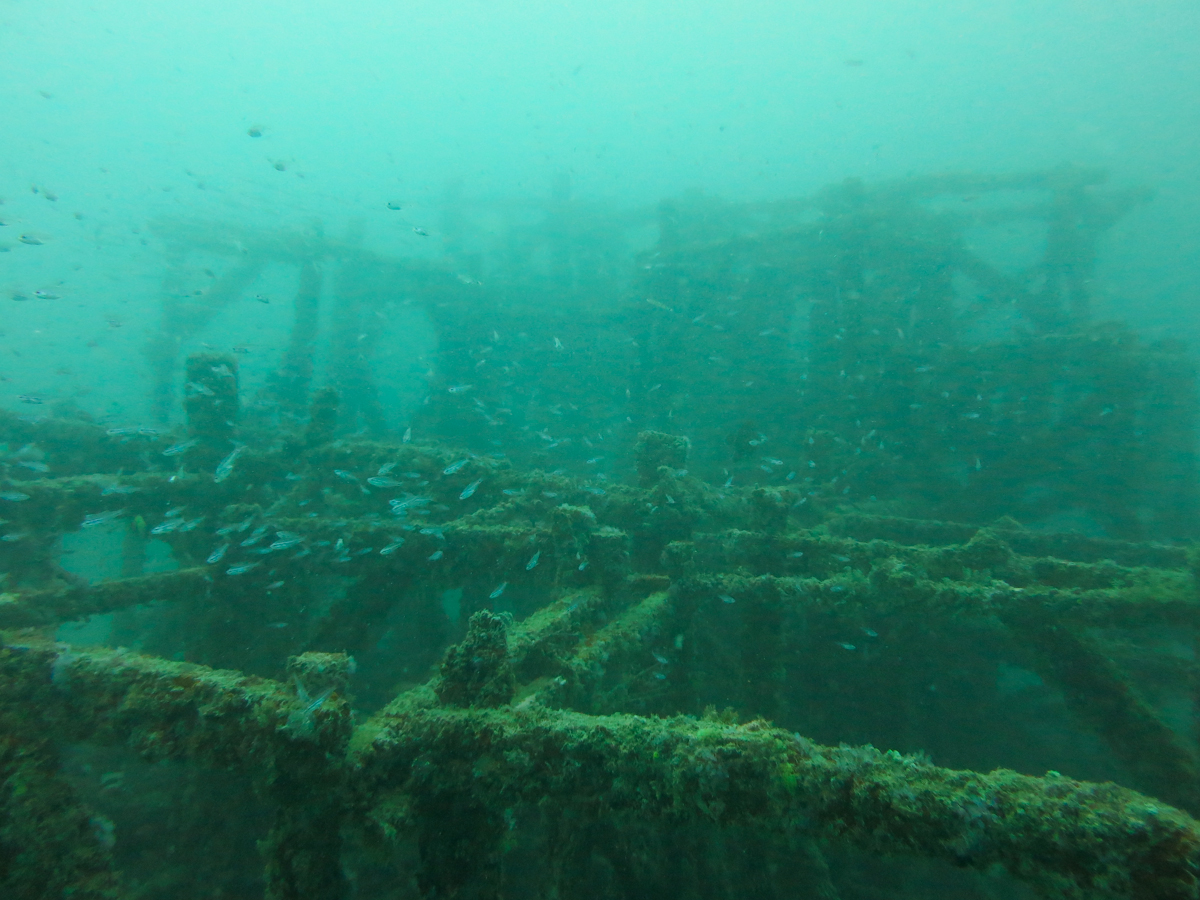
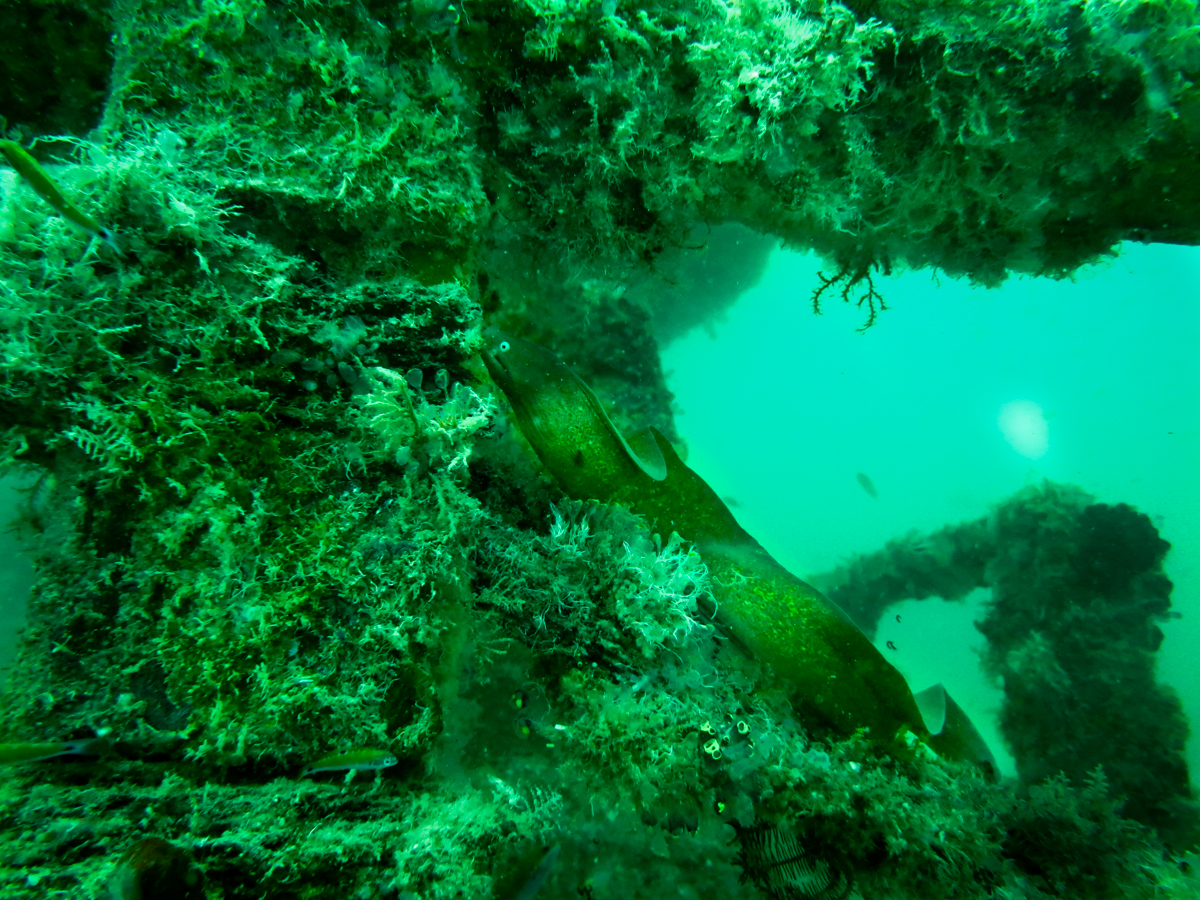
 Our dives were varied, but most were shallow, less than 20 metres. I saw underwater wrecks for the first time as well as some man made reefs which are underwater structures that are made out of wood, rope, tires, and whatever else is available, and which over time become transformed into lovely reefs with lots of plants and fish. Most of this diving was macro, where we saw smaller things. Up until now, it was the big things that excited me, like sharks and turtles, but soon I was appreciating the smaller things too. The visibility was quite poor most of the time, around 10 metres, which made some of the wreck diving downright eerie.


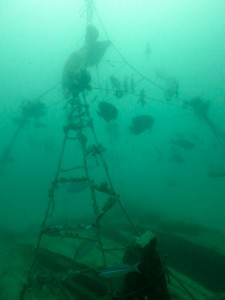

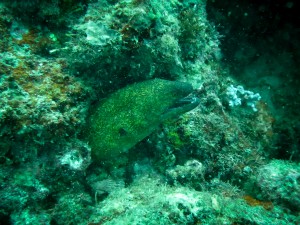
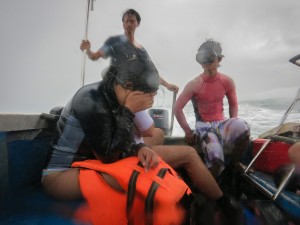 Each day it rained, often really hard, and usually when we were heading out for a dive which was rather miserable and not much fun at all. But it never lasted very long and soon the seas would calm down and the sun would be shining again. The rain cooled things off a bit which was quite welcome in the unbearable heat and humidity. We practically lived in our swim suits so it didn’t really matter if we got wet from the rain. I think the worst part of diving in the rainy season was the low visibility. Other than that, it was great.
Video: Diving in Borneo
 We ended our diving excursion back on land with a final night at the Sipadan Inn where Denise was staying as well. Ann and Gary had a couple of days off, so they came back with us. As we were getting ourselves organized to go out for dinner in the hotel lobby, a man approached us to tell us about his menu that night. His makeshift kitchen was set up in front of a bar a couple of doors down. We had already decided to eat Indian food, but this guy was pretty convincing, and it didn’t take more than a taste of his home fries, to capture my vote. Besides, the bar where we would eat his dinner served beer and the Indian restaurant didn’t, so it was seafood for us that night, and what a feast we had. A couple of plates of complimentary sushi were served as starters, followed by a set menu that included the best grilled squid I have ever had, delectable scampi, and several fillets of fish, all nicely de-boned and grilled to perfection. It was a fitting end to a fun diving excursion.
 Before dinner, Denise (center) and Ann (right) were finishing up the final
review of material for the Advanced course that Denise
successfully completed while on Mabul Island. Way to go Denise!
The next morning we were up bright and early to catch the 7:30 am bus to Sandakan where a jungle adventure awaited us.
 After spending five days in the Peruvian jungle a few years ago, we thought we were prepared for the jungles of Borneo. With visions of wild orangutans, herds of pygmy elephants and troops of proboscis monkeys dancing in our heads, we made our way to the Kinabatangan Nature Lodge where we planned to spend 3 days and 2 nights exploring this natural wonderland. The area has been touted as a must see attraction so understandably our expectations were set quite high. We were prepared to suffer through unbearable heat and humidity, attacks of tenacious mosquitoes and whatever other discomforts nature sent our way with hopes of being rewarded with seeing some amazing wildlife in their natural habitat.


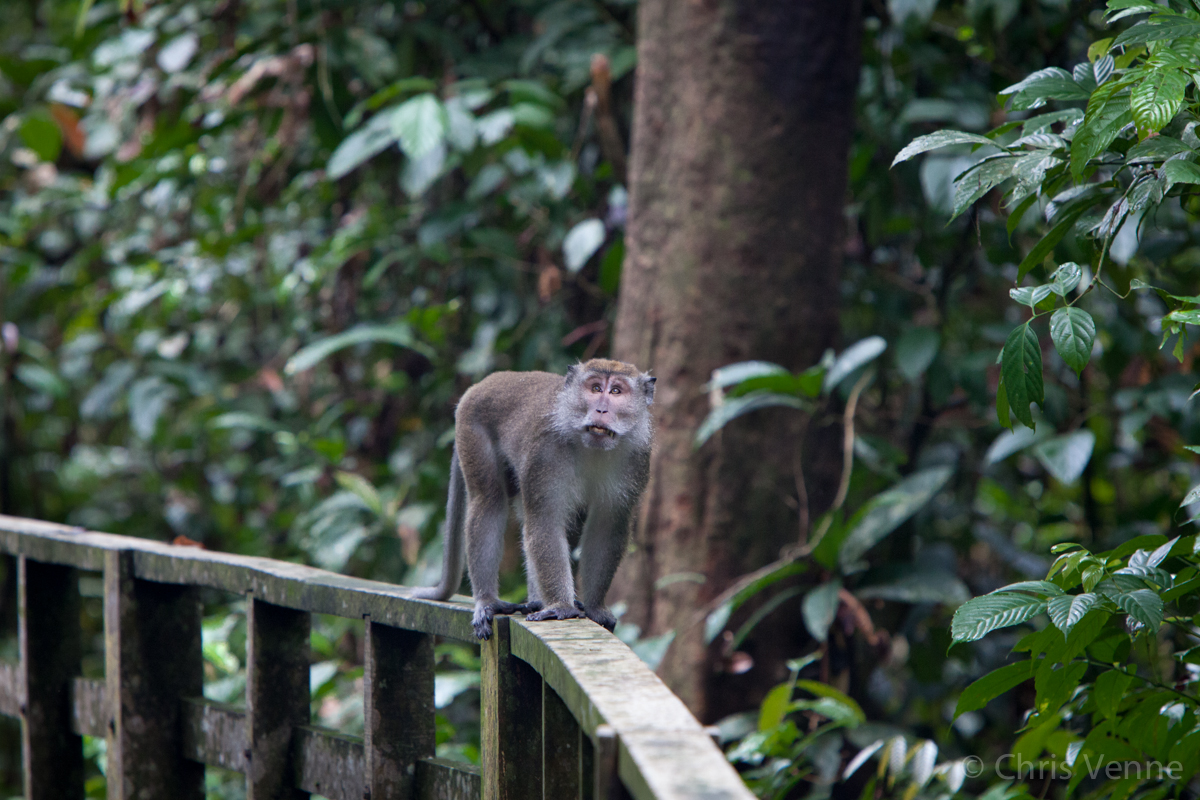
 Long tailed macaque staring at us from the riverbank.
 Proboscis mother and child getting ready to leap to another tree.
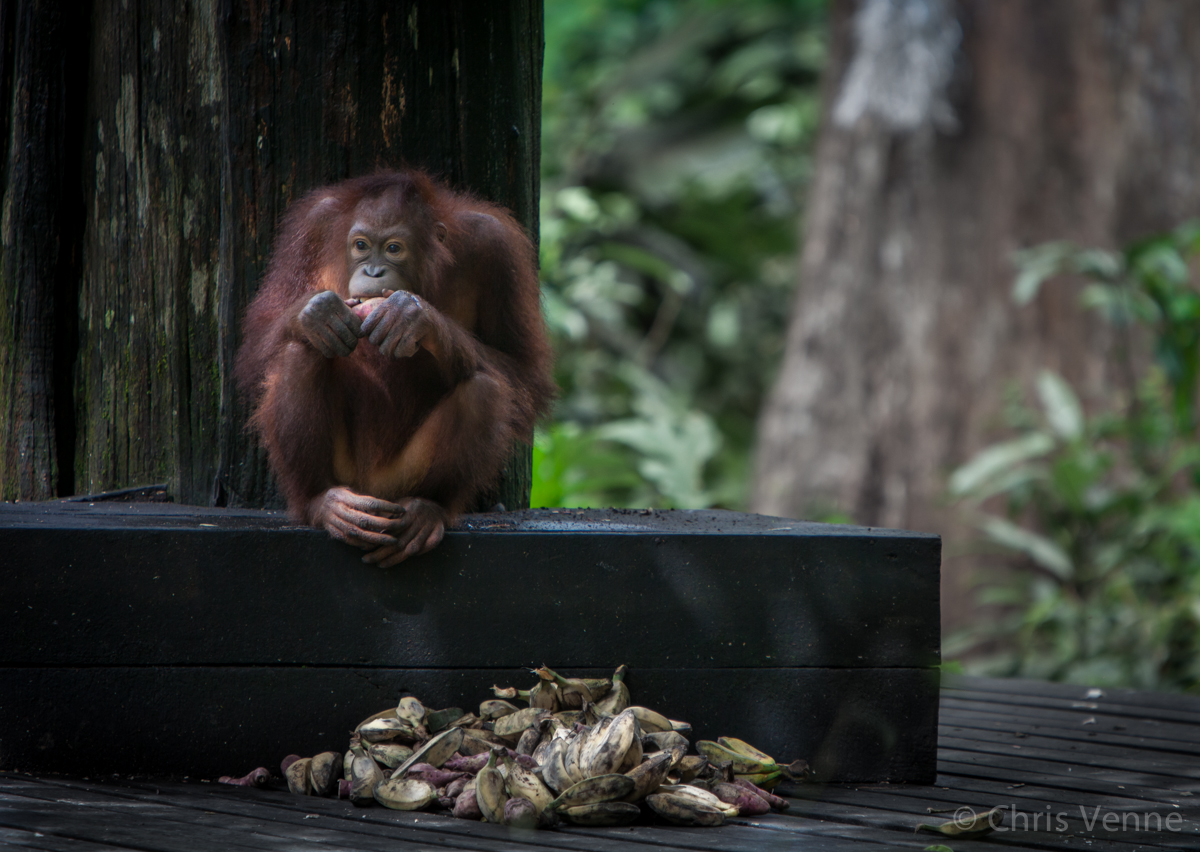
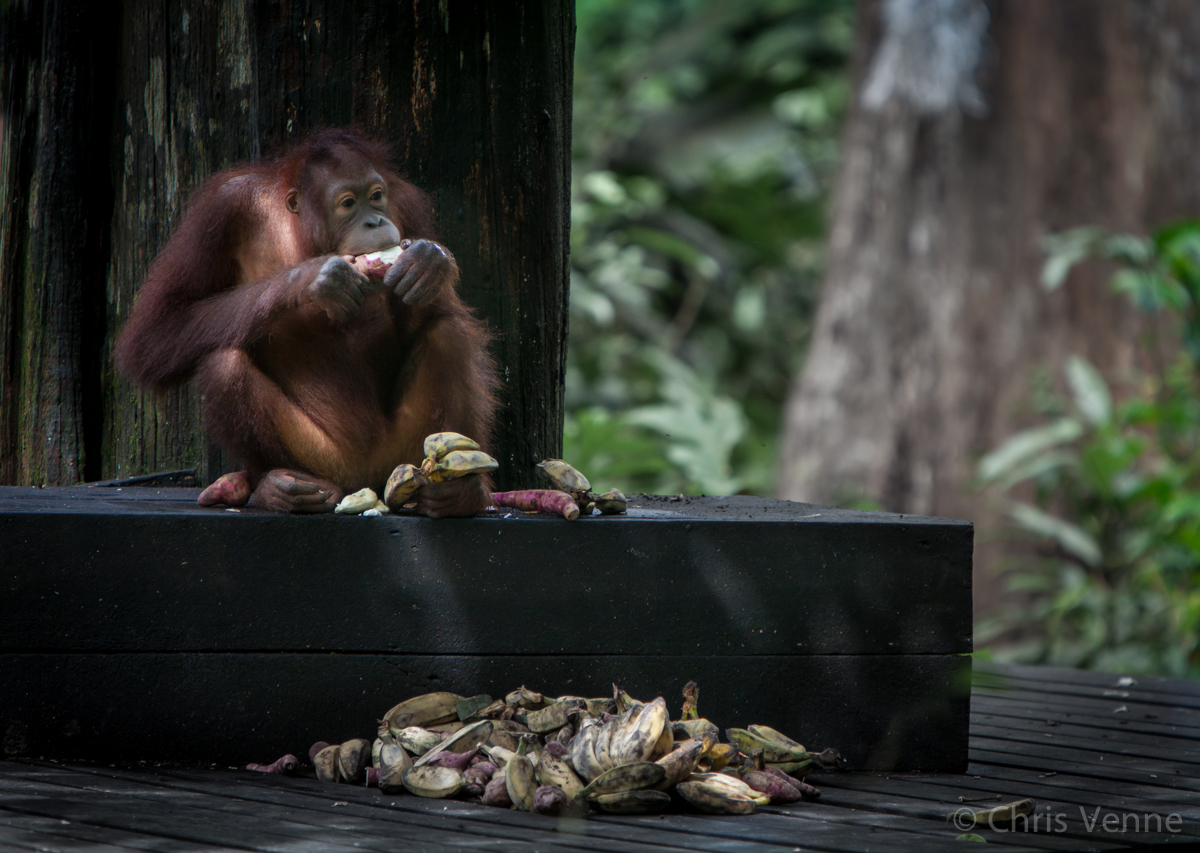
 Wild Orangutan “toddler”.
 Newborn long tailed macaque.
 Baby long tailed macaque with its mother.
 Typical pose of a proboscis monkey.
 Male Hornbill eating berries in a tree.
 Male and female Hornbills. Can you see the difference?
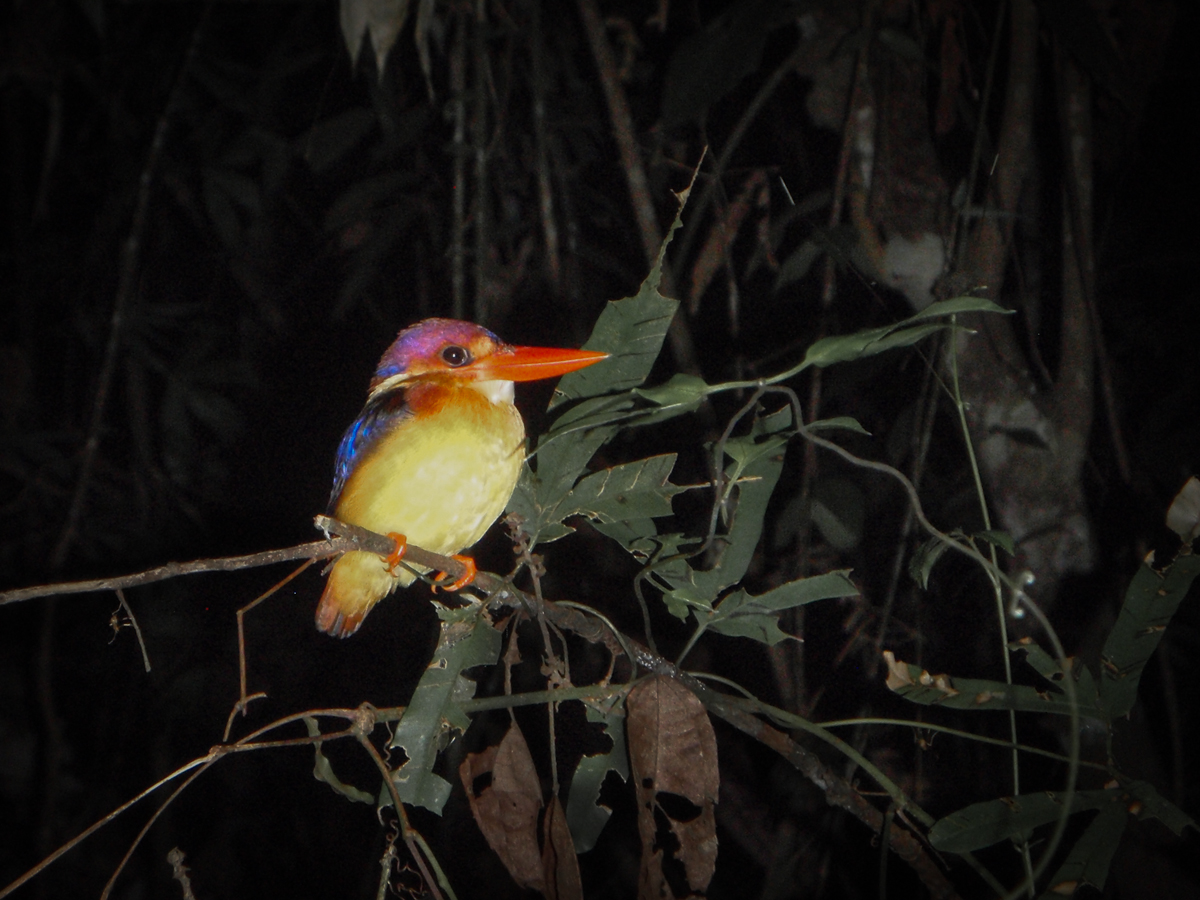 Kingfisher seen during our night walk.